

Allergy Season How to Prepare Before It Hits
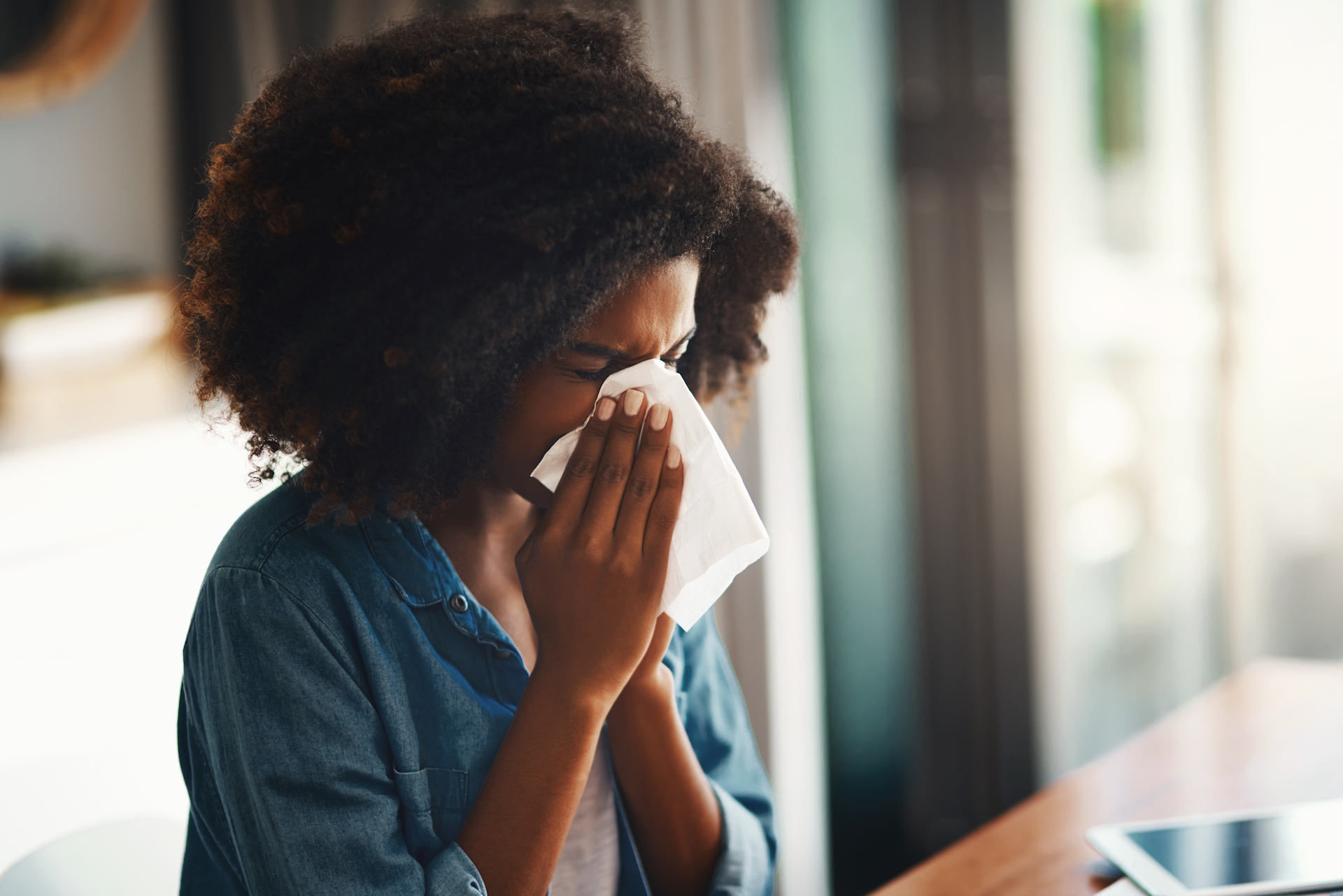
If you have spent even one spring in South Louisiana, you already know the feeling the scratchy throat, itchy eyes, and sneezing that seems to come out of nowhere. Spring allergies are not just a minor inconvenience. They are a full on seasonal event, and for many people, they seem to get worse every year.
The good news? You do not have to wait until you are miserable to find relief. Getting ahead of allergy season with the right plan and the right over the counter products can make a world of difference. Here is what you need to know.
Why Spring Allergies Hit So Hard
Our warm, humid climate creates one of the longest and most intense allergy seasons in the country. Unlike northern states where allergy season might last only a few weeks, pollen levels here can start rising as early as February and continue through late summer.
In the spring, tree pollens like oak, pine, cedar, and sweetgum are common triggers. As spring transitions to summer, grass pollens take over. Add high humidity and mold spores into the mix, and it can create a tough environment for allergy sufferers.
For those who are sensitive, this can lead to:
• Persistent nasal congestion
• Itchy, watery eyes
• Sneezing
• Headaches
• Fatigue
• Asthma flare ups
• Itchy, watery eyes
• Sneezing
• Headaches
• Fatigue
• Asthma flare ups
If your symptoms seem worse each year, you are not imagining it. Allergies can develop and intensify over time with repeated exposure.
Is It Allergies or a Cold?
This is one of the most common questions people ask during the spring.
Allergies
• Symptoms appear quickly, often after being outdoors
• Nasal discharge is usually clear and watery
• No fever
• Symptoms may improve indoors or on rainy days
• Symptoms appear quickly, often after being outdoors
• Nasal discharge is usually clear and watery
• No fever
• Symptoms may improve indoors or on rainy days
Cold
• Symptoms develop gradually over 1 to 3 days
• Discharge may thicken and turn yellow or green
• You may have a low grade fever
• Symptoms typically resolve within 7 to 10 days
• Symptoms develop gradually over 1 to 3 days
• Discharge may thicken and turn yellow or green
• You may have a low grade fever
• Symptoms typically resolve within 7 to 10 days
If symptoms linger for weeks and follow a seasonal pattern, allergies are likely the cause.
How to Get Ahead of Allergy Season
The most effective allergy strategy is proactive, not reactive.
Start Antihistamines Early
Second generation antihistamines like cetirizine, loratadine, and fexofenadine are the foundation of most allergy plans. These non drowsy options work best when taken consistently before symptoms peak. Starting 1 to 2 weeks before high pollen levels can help your body maintain steady protection.
If you are unsure which option is best for you, ask your pharmacist for guidance based on your symptoms and lifestyle.
Add a Nasal Spray
Nasal corticosteroid sprays such as fluticasone or triamcinolone are highly effective for reducing congestion and inflammation. They work directly in the nasal passages and are safe for daily use when used as directed. Like antihistamines, they perform best with consistent use rather than waiting until symptoms are severe.
Many people see the best results by combining an antihistamine with a nasal spray.
Do Not Forget Eye Relief
Itchy, red, watery eyes are often one of the most uncomfortable symptoms. Over the counter antihistamine eye drops can provide fast relief. Lubricating drops can also help flush allergens from the eyes throughout the day.
Reduce Your Exposure
Medication works even better when paired with smart habits:
• Check daily pollen counts before spending extended time outdoors
• Schedule outdoor activities for later in the day
• Keep windows closed during high pollen days
• Shower and change clothes after being outside
• Replace HVAC filters regularly during peak season
• Schedule outdoor activities for later in the day
• Keep windows closed during high pollen days
• Shower and change clothes after being outside
• Replace HVAC filters regularly during peak season
When Over the Counter Options Are Not Enough
For most people, a combination of antihistamines, nasal sprays, and eye drops provides solid relief. But if symptoms continue despite consistent use, or if allergies are affecting sleep, work, or asthma, it may be time to speak with a healthcare provider about additional options.
Your pharmacist can help you evaluate whether your current plan is working and guide you on next steps.
Do Not Wait Until You Are Miserable
Allergy season does not have to knock you down. Starting early and choosing the right products can dramatically reduce your symptoms and improve your daily comfort.
Stop by Neighbors Pharmacy and let our pharmacists help you build a personalized allergy relief plan before pollen levels peak. We are here to help you breathe easier this season. 🌿